How to Keep Staff Long-Term: Building a Lasting Relationship with Your Team
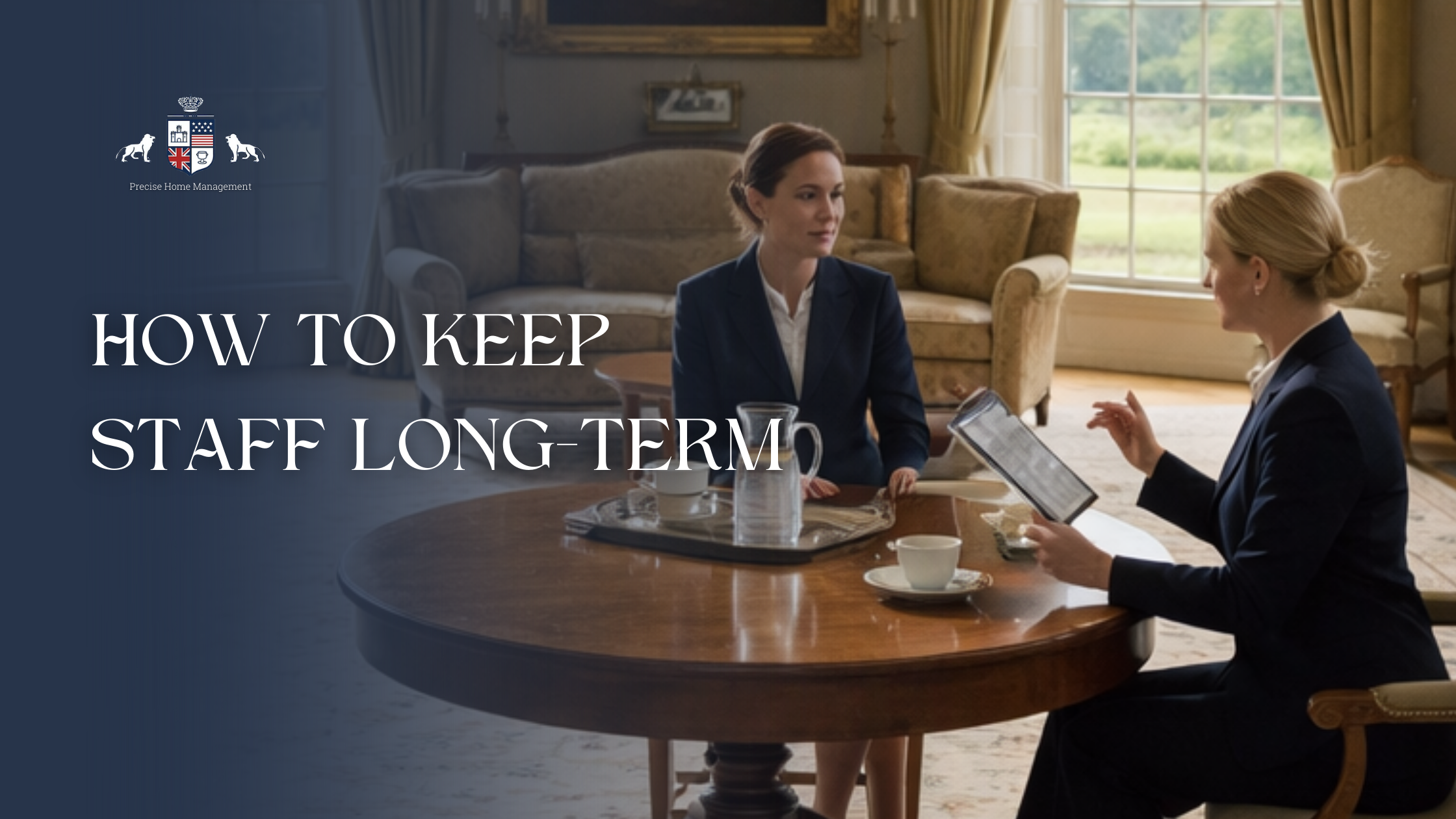
How to Keep Staff Long-Term: Building a Lasting Relationship with Your Team
One of the key challenges for employers, especially in high-net-worth (HNW) households, is figuring out how to keep staff long-term. While a competitive salary is certainly important, it's the overall experience, respect, and support that truly drive staff loyalty. Retaining staff over the long term isn't just about paying them well; it's about offering a role that is both professionally rewarding and personally sustainable. So, how do you keep your team happy and engaged for the long haul? Let's explore the key strategies that will ensure your staff stays committed for years to come.
Offer Competitive and Transparent Compensation
The first and most obvious strategy to retain staff long-term is to offer a competitive salary. Pay is important, but so is transparency. Benchmark salaries annually to ensure you're offering pay that's on par with or better than the industry standard for private service roles in your region. This shows your staff that you value their work and are willing to compensate them fairly.
In addition to competitive pay, it's essential to offer regular increases in line with the cost of living. This ensures your employees' wages keep up with inflation. Performance bonuses also play an important role in motivating staff. When employees know their efforts are recognized and rewarded, they are more likely to stay motivated and remain with the household for the long term.
Another key element in compensation is offering comprehensive benefits. Health insurance, retirement contributions, paid time off, and sick leave are often overlooked by private households but are incredibly important. These benefits show that you care about the well-being and security of your staff, which fosters long-term loyalty.
Set Clear Role Definitions and Boundaries
Staff members are more likely to stay long-term if they have a clear understanding of their role and what is expected of them. Providing a written job description with realistic expectations is a critical step in preventing confusion and frustration down the line. When staff know exactly what their responsibilities are, it helps avoid misunderstandings and burnout.
It's also essential to avoid "scope creep," which occurs when extra duties are added to a role without a discussion about changes in compensation. If the job begins to evolve, have a conversation with your staff about whether their salary, workload, or responsibilities should be adjusted accordingly. This open communication can prevent dissatisfaction from growing over time.
Another important factor is respecting your staff's off-duty time. It's crucial to honor their personal time unless there's a true emergency. Allowing them to fully disconnect when they're off the clock promotes a better work-life balance, which contributes significantly to their overall happiness and long-term retention.
Support Professional Development
A great way to keep staff long-term is by investing in their professional growth. Employees who feel that they are growing and developing in their roles are much more likely to stay and be engaged. Offering opportunities for additional training, such as culinary workshops for chefs or estate management courses for household managers, can help your staff feel they are advancing their careers.
Funding their attendance at industry conferences or offering memberships to professional associations helps employees stay current with best practices in their field. Encouraging cross-training, where staff learn multiple roles within the household, also adds to their skill set and helps them feel more engaged in their work.
This investment in their growth not only benefits the staff but also strengthens the household by making everyone more skilled and capable. Staff who feel like they are learning and building their careers will be far more loyal and less likely to seek opportunities elsewhere.
Show Respect and Appreciation
One of the simplest ways to keep staff long-term is by showing them respect and appreciation. Too often, staff in private households are treated as "help" rather than trusted professionals. It's important to shift that mindset and treat them as valued team members. Recognizing their efforts, both privately and publicly, fosters a positive relationship and makes them feel valued.
Celebrating work anniversaries, birthdays, and other milestones is a great way to show appreciation. Small gestures like a thank-you note or a thoughtful gift go a long way in making employees feel recognized and appreciated. When employees feel that their contributions are acknowledged, they're more likely to stay committed to the household for years to come.
Create a Positive and Inclusive Workplace Culture
A positive work culture is essential for long-term staff retention. When employees feel that they're part of a supportive and respectful team, they're much more likely to stay. Fostering team cohesion is crucial. This means avoiding favoritism and promoting mutual respect between staff members. If everyone feels valued and respected, there is less likelihood of internal rivalries or resentment.
Regular communication is key to maintaining a positive workplace culture. Holding monthly team meetings or one-on-one check-ins ensures that staff members have a chance to voice any concerns and share feedback. Open communication channels create an environment where staff feel safe, heard, and involved in decisions.
Leadership plays a major role in shaping the culture. If the estate manager or principal sets a tone of fairness and respect, it will influence how the entire team interacts with one another. Staff will feel more secure in their roles, which leads to greater job satisfaction and retention.
Provide Long-Term Security
Job security is one of the most important factors in keeping staff long-term. Offering multi-year contracts, when possible, provides staff with stability. When employees know that their job is secure and that there is room for growth, they're more likely to remain loyal to the household.
It's also essential to provide clear opportunities for career advancement. Whether within the household or through a broader network of opportunities, showing staff that there is room for growth in their career helps them feel that their efforts are leading to something bigger. Employees who see a clear path for progression are much more likely to stay and remain motivated.
Additionally, planning for succession is important. If a senior staff member leaves, there should be a clear plan for replacing them. This ensures that loyal employees are not left in uncertainty, and it provides them with the confidence that the household is prepared for the future.
Offer Thoughtful Perks
While salary and benefits are crucial, offering thoughtful perks can go a long way in making your staff feel valued. Perks such as a housing allowance or access to household amenities, such as a gym, pool, or car for errands, show that you care about your staff's comfort and convenience.
Flexibility in scheduling can also be a valuable perk. Offering extra vacation time or flexible hours after busy periods shows that you understand the need for rest and balance. This thoughtful consideration helps staff recharge, preventing burnout and encouraging long-term loyalty.
Building a Partnership for Long-Term Retention
In the end, how to keep staff long-term isn't about offering just a paycheck. It's about treating your staff as partners in managing your household and creating an environment where they feel respected, appreciated, and supported. High-net-worth families who successfully retain staff for decades understand the value of investing in their employees' well-being, career development, and personal time. By offering competitive pay, fostering a positive workplace culture, and providing growth opportunities, you'll create a relationship that goes beyond simple employment. This is the key to long-term staff retention. If you're looking for expert assistance in managing your household staff and ensuring long-term success, turn to Precise Home Management to build a lasting partnership with your team.